
Personalised Aesthetic Care
Experienced Plastic & Cosmetic Surgeon in Kolkata
By Dr Manoj Khanna — Board-Certified Plastic Surgeon, MBBS, MS, MCh (Plastic Surgery) | 30+ Years of Experience Enhance Aesthetic & Cosmetic Studio, Loudon Street, Kolkata

Hair Restoration Treatment
Advanced Hair Transplant Solutions In Kolkata
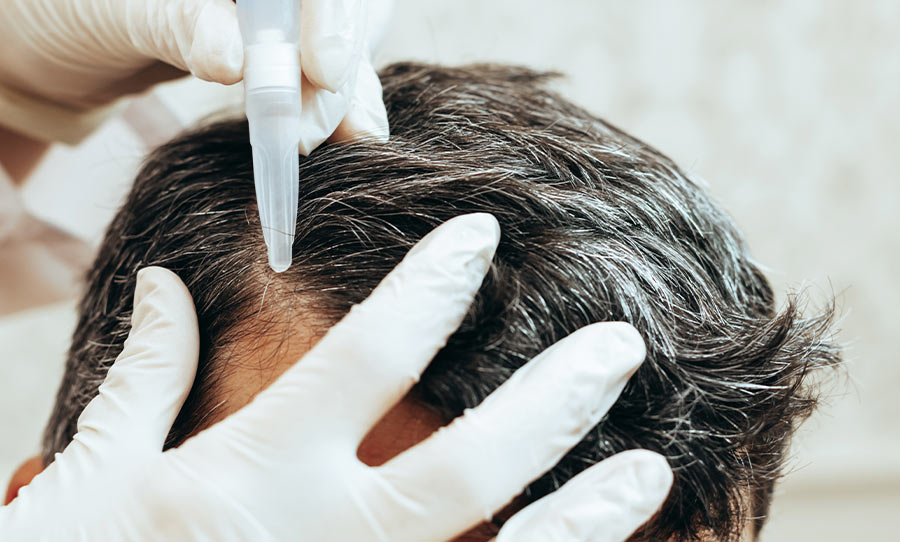
Hair transplantation redistributes permanent, genetically resistant hair follicles from the back and sides of the scalp to areas affected by thinning or hair loss. The placement is planned around the patient’s facial features, existing hair and expected growth pattern.
Dr Manoj Khanna has performed hair-transplant procedures since 1996 and has experience in both FUE and FUT techniques. Treatment begins with a consultation to assess the pattern and extent of hair loss, donor-hair availability, medical history and individual expectations.
His qualifications include MBBS, MS, MCh (Plastic Surgery), DNB (Plastic Surgery), FICS (USA) and a Fellowship in Cosmetic Surgery from the USA.
- Board-certified plastic, aesthetic and cosmetic surgeon
- More than three decades of hair-restoration and cosmetic-surgery experience
- Experience in FUE and FUT hair-transplant techniques
- More than 8,000 hair-transplant procedures performed in India and abroad by 31 December 2023
- More than 800 female hair-restoration procedures performed by 31 December 2023
- Hair-restoration experience involving film personalities, cricketers and television commentators
- Personalised treatment planning based on the patient’s hair-loss pattern
- Focus on natural-looking hairline design and balanced follicle placement
- Experience using the self-designed “Kolkata Slit” instrument for follicular-unit transplantation
Why Patients Choose Dr Manoj Khanna
- Detailed scalp and donor-area assessment
- Treatment planning according to the degree and pattern of hair loss
- FUE and FUT hair-transplant options
- Personalised planning for male and female hair loss
- Experienced surgical and clinical support team
- Local anaesthesia and measures to maintain patient comfort
- Cost estimation based on the required grafts and treatment area
Hair-transplant costs vary between patients. The estimate may depend on the number of grafts required, the size of the treatment area, the extent of hair loss and the quality and availability of donor hair.
The Proof is in the Numbers

Hair Transplants

Female Hair Restorations

Breast Procedures

Liposuction Procedures
Surgical Treatments
Enhancing Features With Precision And Care










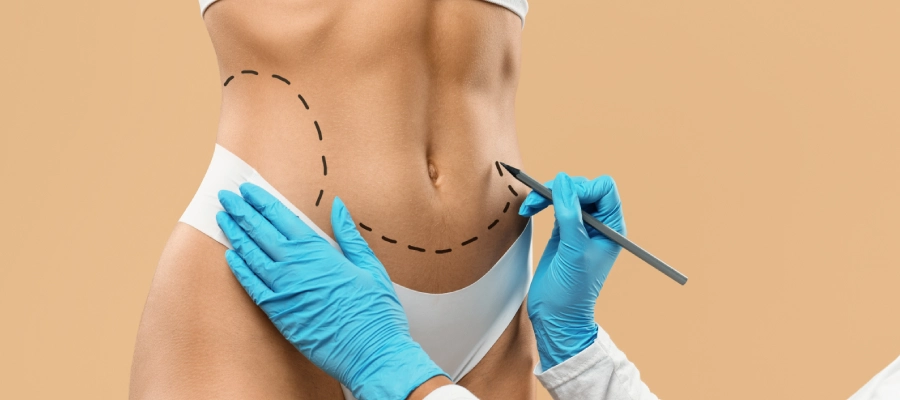

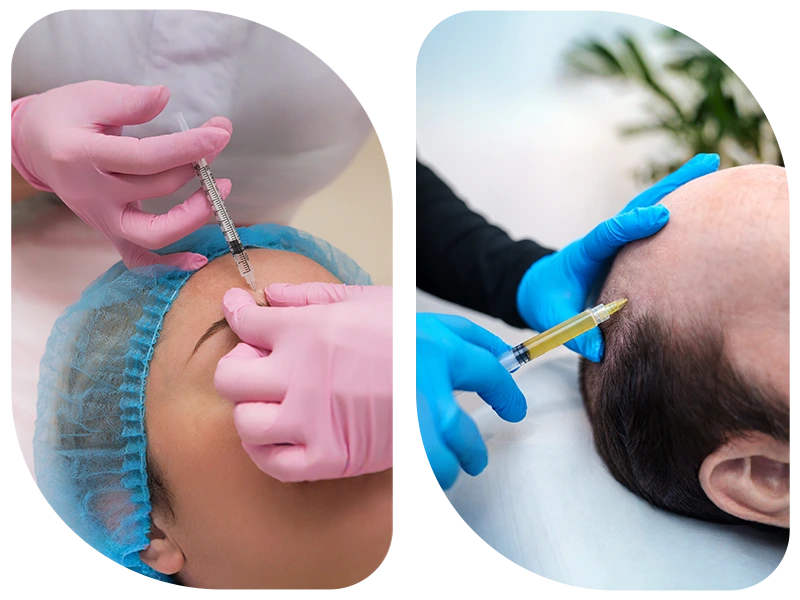

A Legacy of Aesthetic Excellence
Trusted Expertise For Natural-Looking Transformations
- More than three decades of aesthetic and hair-restoration experience
- Board-certified plastic surgeon
- Experience treating patients from India and abroad
- Hair-restoration experience involving public figures
- Detailed consultation and personalised treatment planning
- Experienced surgical and clinical support team
- Focus on patient comfort and natural-looking outcomes

Thinking About a Change? You’ve Waited Long Enough
Whether you are considering hair restoration, subtle aesthetic refinement or a broader transformation, the first step is a detailed consultation.
Dr Manoj Khanna assesses your concerns, medical history and expectations before explaining the suitable treatment options. No procedure is recommended until we discuss its purpose, expected outcome, and recovery requirements.
Recognition & Awards
Committed To Raising The Standard Of Care
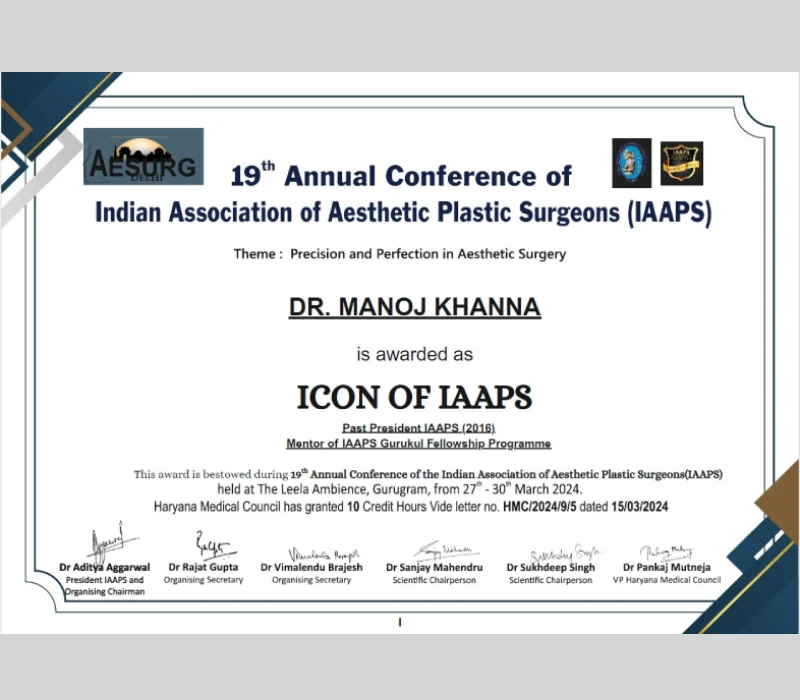
ICON of IAAPS Award
2024
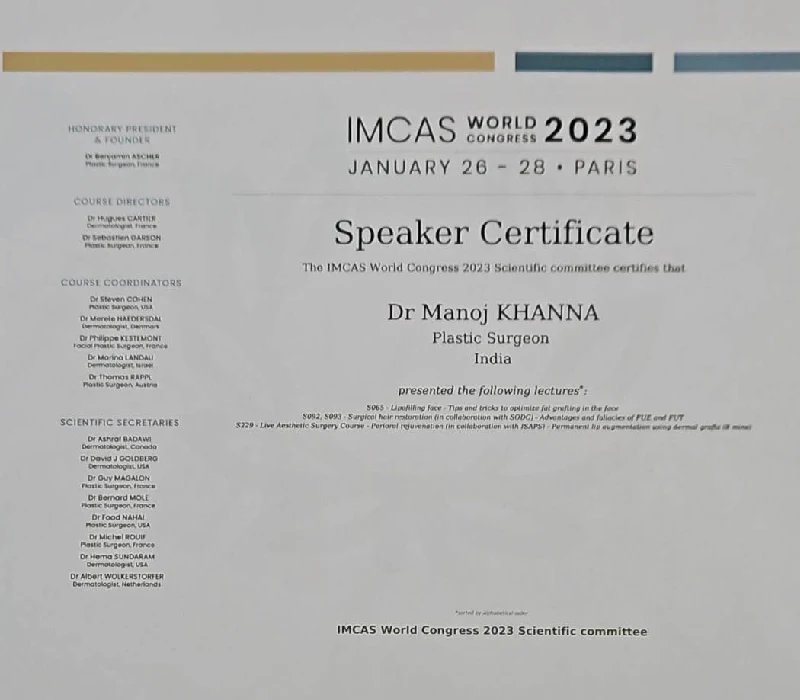
IMCAS World Congress
2023
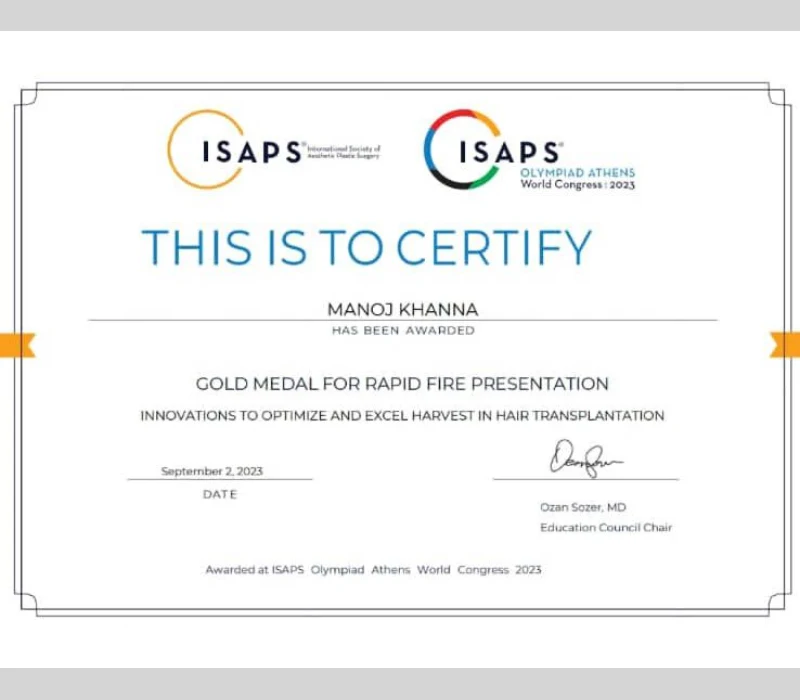
ISAPS Olympiad Athens World Congress
2023
Non-Surgical Treatments
Confidence-Boosting Results Without Surgery

Botox
Soften selected facial lines with personalised treatment designed to preserve a natural, expressive appearance.
→
Dermal Fillers
Restore selected areas of facial volume and refine facial contours without conventional surgery.
→
CoolSculpting
Address selected localised fat deposits through non-surgical body-contouring treatment with minimal interruption to routine activities.
→
Laser Hair Removal
Reduce unwanted hair growth with laser treatment tailored to the treatment area, hair characteristics, and skin type.
→
Chemical Peeling
Improve concerns such as dullness, uneven tone, rough texture and selected superficial marks through medically guided exfoliation.
→
HIFU
Use focused ultrasound energy to support firmer-looking facial contours without conventional surgery.
→
Skin Whitening
Address tanning, pigmentation, uneven tone and dullness through individually selected skin-brightening treatments.
→
Laser Skin Resurfacing
Improve selected concerns involving skin texture, superficial marks, pigmentation and fine lines using laser-assisted treatment.
→
Tattoo Removal
Gradually fade selected unwanted tattoos with laser treatment planned for the tattoo and the patient’s skin type.
→
Vaginal Tightening
Address selected concerns involving vaginal laxity, firmness and intimate comfort through surgical or non-surgical treatment options.
→
Hydrafacial
Cleanse, exfoliate and hydrate the skin through a multi-step facial treatment designed to support a refreshed appearance.
→
Carbon Photo Facial
Deeply cleanse the skin and address excess oil, congested pores, uneven texture and dullness through laser-assisted treatment.
→
Cream Programme
Receive personalised skincare recommendations for concerns such as acne, pigmentation, dullness or sensitivity.
→
PRP Treatments
Use platelet-rich plasma prepared from the patient’s blood to support selected skin-rejuvenation or hair-restoration goals.
→
GFC Treatments
Use concentrated growth factors as part of a personalised treatment plan for selected hair-thinning concerns.
→
Laser Hair Rejuvenation
Support scalp health and healthier-looking hair through non-surgical laser-assisted treatment for selected patients.
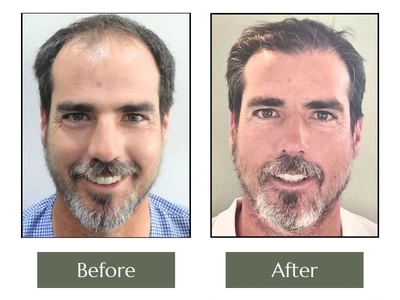
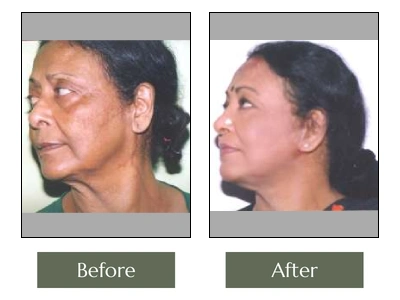
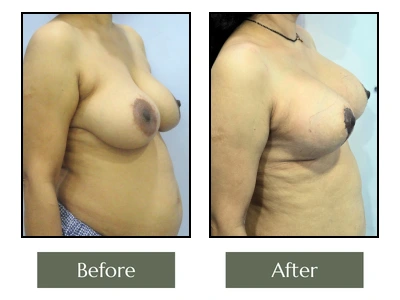
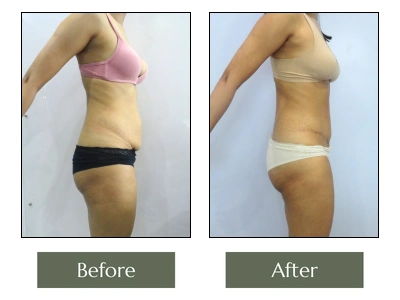
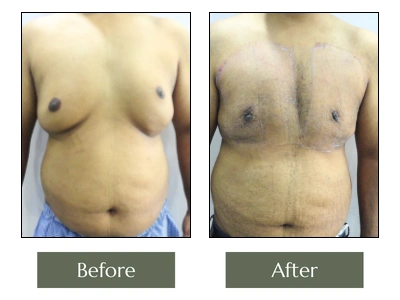
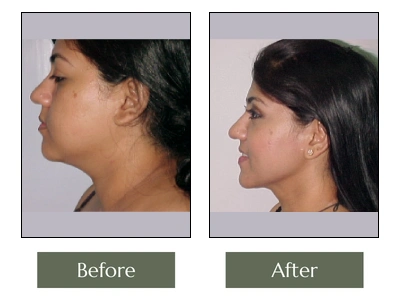
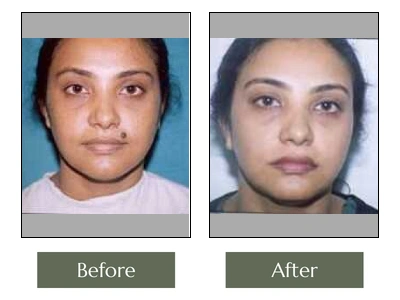
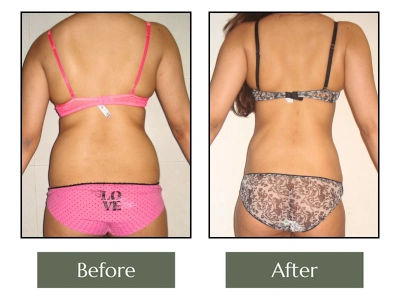
→Real Patient Transformations
Results That Look Natural And Feel Personal
Stories Of Satisfaction
Authentic Experiences From Real Patients

It is been wonderful experience with Dr Khanna; the kind of interaction he has with me , feel super comfortable to work with. I would love to revisit when I will back to Kolkata. Also strongly recommend for all how wants to have HT.
Binoy Das
I am so lucky to have a doctor like Dr.Manoj Khanna sir. Because after that, my life totally changed; it's a beautiful journey with Enhance Clinic. I am very confident now, and nobody can tell that I had a hair transplant because my hairline is totally natural. Staff behaviour was so good. Overall performance was so impressive.
Washim Reja
Excellent doctor and teacher. Highly recommend for training in breast, hair, and body contouring.
Rajashree K
Great experience. Substantial hair growth is visible only after 11 months. I will recommend people with hair loss to visit Dr. Khanna!
Amrit Shaw
I am very happy with the results of the hair transplant, and my looks have changed completely. All my friends and relatives tell me that I look 10 years younger. Thank you very much, Dr Manoj Khanna.
Binoy Barman
My hairstyle was always a big part of my existence. I was losing hair rapidly. and getting very depressed, Dr.Khanna has given me new hope by his hair restoration surgery. I came in December 2025. In 8 months, my whole scalp is now full of hair, and my family and friends are all very happy. Dr. Khanna did a Christmas miracle for me.
Shamik Ghosh
I met Dr. Khanna 2 years ago. My hair transplantation was done. I joined work after 4 days of the procedure. Heartiest thanks to Sir for the nice work he has done for me. He has taken care, and it was a nice experience to share how the whole look has changed, and over and above that, my confidence has changed.
Gourav Kumar
Awards

Clients

%
Client Satisfaction

Cosmetic Procedures

FAQS
What Patients Commonly Ask
Is hair-transplant treatment suitable for everyone?
Suitability is determined through a detailed consultation. Dr Manoj Khanna assesses the patient’s hair-loss pattern, scalp condition, donor-hair availability, medical history and expectations before recommending FUE, FUT or another suitable option.
Is prior testing required before a hair transplant?
Yes. The process begins with a consultation and scalp assessment. Routine investigations may then be recommended to evaluate the patient’s medical fitness before the procedure.
When do hair-transplant results become visible?
Early hair growth may become noticeable approximately two to six months after the procedure. Improvement generally continues gradually, and fuller development may take around 10–18 months. Individual progress can vary.
How long does a hair-transplant procedure take?
A hair-transplant procedure may take approximately three to six hours. The duration depends on the number of grafts, the selected technique and the size of the treatment area.
What determines the cost of a hair transplant?
The cost may depend on the number of grafts required, the degree of hair loss, the size of the treatment area and the quality and availability of donor hair. We provide a personalised estimate after assessment.
What can patients expect after a hair transplant?
Selected patients may return home on the same day. We provide instructions on scalp care, medicines, sleeping position, shampooing, activity, and returning to work based on the procedure and individual recovery.
Our Blogs
Knowledge That Supports Better Decisions
Explore articles that help patients understand aesthetic treatments, preparation, recovery, expected outcomes and developments in cosmetic and reconstructive care.

Will Breast Enlargement Surgery Affect Your Ability to Breastfeed Later?
Choosing breast enlargement surgery is a personal decision, and for many...
Follow Us on Instagram
Follow Dr Manoj Khanna for treatment information, educational content, clinic updates and insights into aesthetic and hair-restoration procedures.