
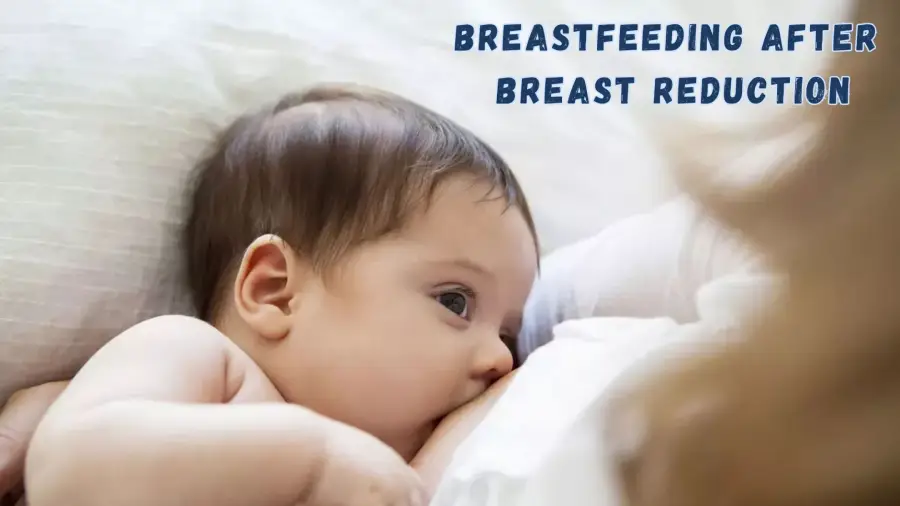
Breast reduction surgery, or reduction mammoplasty, can be life-changing for women who experience discomfort, back pain, or self-consciousness due to large breasts. But one of the most common concerns many women have before undergoing this procedure is, “Will I be able to breastfeed after breast reduction?”
Let’s understand how the surgery affects breastfeeding, what factors influence milk production, and what mothers can do to breastfeed successfully after the procedure.
Understanding Breast Reduction Surgery
Breast reduction involves removing excess fat, glandular tissue, and skin to achieve a breast size that is proportionate to the body. The surgery can also relieve physical discomfort like shoulder and neck pain, skin irritation, and posture problems.
During the procedure, the surgeon reshapes the breast and repositions the nipple–areola complex. The extent to which breastfeeding is affected depends largely on how the surgery is performed — specifically, how much of the milk ducts, nerves, and glandular tissue remain connected.
Can You Breastfeed After Breast Reduction?
In most cases, yes, it is possible to breastfeed after a breast reduction, but it depends on the surgical technique used.
If the surgeon preserves the connection between the nipple and the underlying milk ducts, there’s a much better chance of maintaining the ability to produce and express milk. On the other hand, if the nipple is completely detached and reattached (known as free nipple grafting), breastfeeding is impossible.
That’s why it’s crucial to choose a surgeon experienced in breast surgeries who prioritises preserving lactation function when appropriate.
Factors That Affect Breastfeeding Ability
Several factors determine whether a woman can breastfeed after breast reduction surgery:
- Surgical Technique:
Techniques that keep milk ducts and nerves intact offer better breastfeeding potential. - Time Since Surgery:
Nerves and ducts can sometimes reconnect over time. Women who had surgery several years before pregnancy often experience improved milk production. - Amount of Tissue Removed:
The more glandular tissue removed, the lower the milk-producing capacity. - Nerve Function:
Sensation around the nipple plays a key role in triggering milk let-down during feeding.
Tips for Successful Breastfeeding After Breast Reduction
If you’ve had breast reduction surgery and wish to breastfeed, here are some helpful tips:
- Consult a lactation specialist early: They can help monitor your baby’s feeding and weight gain.
- Use both breasts at each feeding: This can maximise milk output.
- Stay hydrated and maintain good nutrition.
- Pump after feeds: This can help stimulate additional milk production.
- Be patient: Milk supply may take a little longer to regulate after surgery.
Even if a full milk supply isn’t possible, partial breastfeeding combined with formula supplementation is still beneficial — providing both nutrition and bonding for mother and baby.
Breastfeeding and Emotional Well-being
For many mothers, breastfeeding is an emotional experience. If you’re unable to produce enough milk after breast reduction, it’s important to remember that you haven’t failed.
The decision to undergo breast reduction was about your health and comfort — and with today’s feeding options, your baby can still grow strong and healthy with your love and care.
Consult an Expert Before Surgery
If you’re considering a breast reduction and plan to have children in the future, make sure to discuss your breastfeeding goals with your surgeon.
An experienced cosmetic and reconstructive surgeon, like Dr. Manoj Khanna, can select the most suitable technique to minimise impact on breastfeeding and guide you through safe pre- and post-surgical care.
Conclusion
Breast reduction can bring relief, confidence, and comfort — and in many cases, mothers can still enjoy the experience of breastfeeding after surgery.
The key lies in expert surgical technique, individual anatomy, and guided support during the breastfeeding journey.
If you’re planning a breast reduction and have concerns about future breastfeeding, consult Dr. Manoj Khanna, one of India’s leading cosmetic and reconstructive surgeons, to make an informed and confident decision.
Book a Consultation with Dr. Manoj Khanna
Frequently Asked Questions
1. Can all women breastfeed after breast reduction?
Not all, but many can. It depends on how the surgery was done and whether the milk ducts and nerves could be preserved.
2. How soon after surgery can I breastfeed?
You can breastfeed whenever you become pregnant after recovery — typically months or years later — as long as your milk glands and ducts are functional.
3. Will my baby get enough milk?
Some mothers may need to supplement with formula. A lactation consultant can help monitor your baby’s weight gain to ensure adequate nutrition.
4. Can I have a breast reduction after breastfeeding?
Yes. Many women choose to undergo breast reduction after completing breastfeeding, especially if the breasts have sagged or enlarged post-pregnancy.