
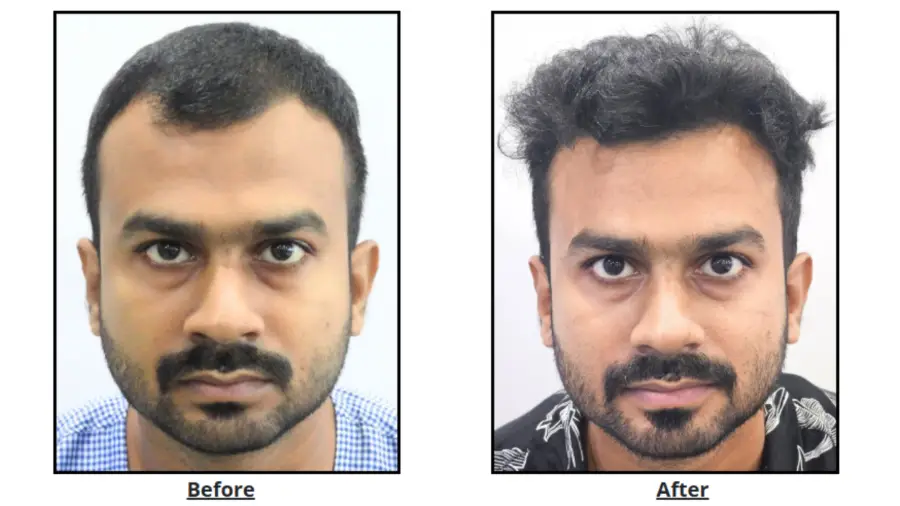
A hair transplant isn’t just about regrowing hair — the real artistry lies in creating a natural hairline that looks seamless, undetectable, and harmonious with your face. In this article, we’ll explore what defines a natural hairline, how the procedure is done, common pitfalls, and why choosing an experienced surgeon (like Dr. Manoj Khanna) makes all the difference.
1. Why the Hairline Is the “Face Frame”
The hairline is the first visual anchor people notice. It frames your forehead and eyes, and even slight irregularities or unnatural symmetry can make the transplant look artificial. A well-designed hairline:
- Blends with your existing native hair
- Follows natural direction and curl
- Has soft, feathered edges rather than a sharp “wall”
- Respects age, facial proportions, and ethnicity
In the context of hair transplant in Kolkata, Dr. Khanna has tailored hairlines suited to Indian faces and hair characteristics.
2. Key Principles of a Natural Hairline
2.1 Irregular, Non-Rigid Outline
Natural hairlines are never perfect straight lines. Slight variation, micro-zigzags, and natural “floating hairs” help avoid a drawn-on appearance.
2.2 Graduated Density
Use of single-hair follicular units in the first row achieves softness; behind that, denser multi-hair grafts add volume. This creates a gradual density transition.
2.3 Correct Angles & Direction
Each hair must be placed at angles consistent with natural growth—especially at temples and frontal corners to avoid protruding strands.
2.4 Matching to Facial Architecture
Your hairline must complement your facial shape (oval, square, round, etc.), age (slightly receding for mature patients), and forehead height. An ideal hairline for someone in their 20s may look unnatural on someone in their 50s.
3. Techniques That Help Achieve a Natural Hairline
Use only single hair grafts
Only single hair grafts, preferably taken from the nape of the neck or above the ears, are used to give a natural appearance.
Dense Packing in Layers
Instead of placing all grafts in one plane, layering densities from front to back gives a depth illusion and fullness without sacrificing realism.
Micro-Irregular Design
Using microscopic “feathering” techniques, the surgeon creates a hairline that subtly blends into the scalp rather than forming a stark border.
Smart Donor Harvesting
Selecting donor hairs with similar texture, curl, and calibre ensures that transplanted hair behaves like the native hair.
4. Common Mistakes That Cause an Unnatural Look
- Using multi-hair grafts in the front row
- Placing grafts at incorrect angles
- Drawing a straight, symmetric hairline
- Ignoring the patient’s age or face shape
- Overpacking density just behind the hairline boundary
These errors often stem from a lack of experience or aesthetic judgment, which is why the surgeon’s skill and years of practice matter tremendously.
5. Post-Procedure Timeline: When It Looks “Natural”
| Time Frame | What You’ll See | Tips for Best Outcome |
| 0–3 months | Shedding of most transplanted hairs (normal) | Avoid trauma, follow post-op care |
| 4–6 months | Fine new hairs begin appearing | Be patient — growth is gradual |
| 9–12 months+ | Full maturity and blending | Minor touch-ups only if needed |
By the end of 12 months, a well-planned hairline should look indistinguishable from natural growth.
Conclusion: 30 Years of Excellence in Natural Hairline Creation
Creating a hairline that appears natural is a delicate blend of surgical precision and aesthetic intuition. With over 30 years of expertise, Dr. Manoj Khanna has mastered the artistry and science of hair restoration. His decades of experience in performing hair transplants in Kolkata, deep understanding of Indian hair types, and commitment to individualised design ensure that each patient receives a hairline that looks not just “good,” but undetectably natural.
When choosing a clinic, remember: the difference between a transplant that looks “done” and one that looks “you” lies in the hands of the surgeon — and with Dr. Khanna’s three decades of dedication, you can trust the result.
Frequently Asked Questions (FAQs)
1. How soon after a transplant will my hairline look natural?
You’ll begin seeing visible hair growth around 4–6 months, and by 9–12 months, the hairline should blend seamlessly with your existing hair.
2. Can I decide exactly how the hairline looks?
Yes — your preferences are important. But the final design will be refined by the surgeon to ensure it matches your facial proportions, age, and natural hair pattern.
3. Will the transplanted hairline recede again?
No — grafts come from the permanent donor zone (usually the back of your scalp), which is typically resistant to the common male pattern hair loss process.
4. Are there visible scars from the transplant?
With modern FUE techniques, there are no linear scars. Tiny puncture sites heal and become nearly invisible, making the hairline look completely natural.